MPL Surgery

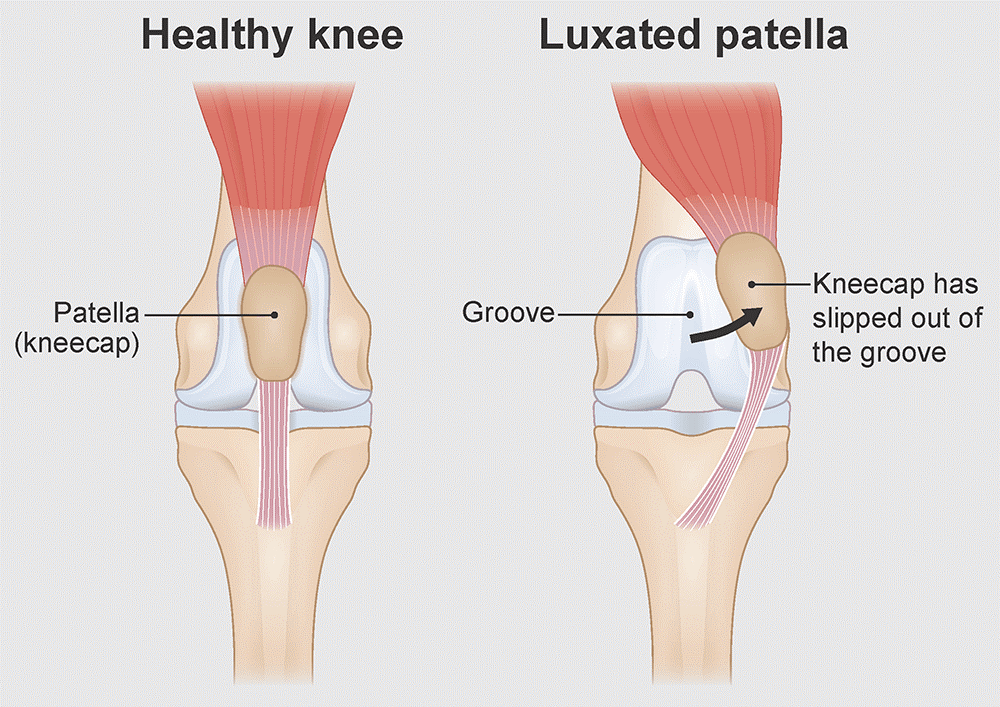
Patellar luxation, or kneecap dislocation, is a common orthopedic condition in dogs where the patella (kneecap) slips out of its normal position in the femoral groove. This condition can affect one or both knees and ranges from mild to severe, depending on how frequently and how far the kneecap dislocates.
MPL Pathology

Causes of Patellar Luxation

  • Genetic Factors: Certain breeds are genetically predisposed to patellar luxation, especially small breeds like Pomeranians, Chihuahuas, Yorkshire Terriers, and Toy Poodles. However, larger breeds can also be affected.
  • Congenital Abnormalities: Abnormal bone structure, such as a shallow femoral groove or misalignment of the leg bones, can predispose a dog to patellar luxation.
  • Trauma: Injury to the knee can cause or exacerbate patellar luxation, especially if it leads to damage of the ligaments or joint capsule.

Grades of Patellar Luxation


Patellar luxation is categorized into four grades, which help determine the severity of the condition and the appropriate treatment.

This diagram show what happens to the Patellar in each grade, and below we will explain more about the four grades of patellar luxation.
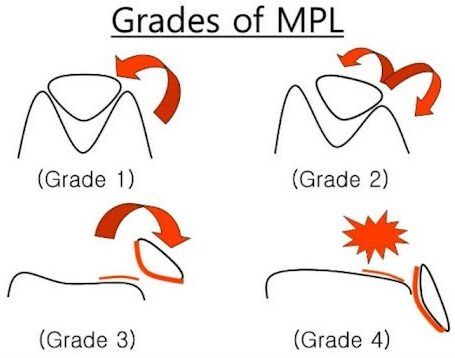
grades of MPL
  • Grade I:

    Description: The patella can be manually luxated but returns to its normal position on its own.
    Symptoms: Minimal, often asymptomatic; may occasionally cause a “skipping” gait.

  • Grade II:

    Description: The patella luxates spontaneously or with manual manipulation but returns to its normal position on its own.
    Symptoms: Intermittent lameness, occasional skipping or hopping.

  • Grade III:

    Description: The patella is luxated most of the time but can be manually replaced.
    Symptoms: Persistent lameness, abnormal gait, discomfort.

  • Grade IV:

    Description: The patella is permanently luxated and cannot be manually repositioned.
    Symptoms: Severe lameness, abnormal limb structure (bow-legged or knock-kneed appearance), significant discomfort.

Symptoms of Patellar Luxation

  • Lameness: Intermittent or persistent lameness, often more pronounced after exercise.
  • Skipping Gait: Dogs may “skip” or hop on one leg, especially when the kneecap is out of place.
  • Abnormal Posture: Bow-legged or knock-kneed stance, particularly in more severe cases.
  • Pain: Discomfort or pain when the kneecap luxates, though mild cases may not show obvious signs of pain.
  • Reluctance to Move: Some dogs may be reluctant to walk, run, or jump, especially if the condition is severe.

Diagnosis

  • Physical Examination: Veterinarians can often diagnose patellar luxation through a physical examination, manipulating the knee to see if the patella moves out of place.
  • X-Rays: Imaging helps assess the severity of the condition, evaluate the bone structure, and determine the extent of any secondary arthritis.

Treatment Options

Non-Surgical Treatment


  • Weight Management: Keeping the dog at a healthy weight reduces stress on the knees.
  • Physical Therapy: Strengthening the muscles around the knee can help stabilize the joint.
  • Pain Management: Non-steroidal anti-inflammatory drugs (NSAIDs) and other pain relief medications can help manage discomfort.
  • Activity Modification: Reducing high-impact activities to prevent exacerbating the condition.

Surgical Treatment

Surgery is typically recommended for grades II-IV or when conservative treatments are not effective:

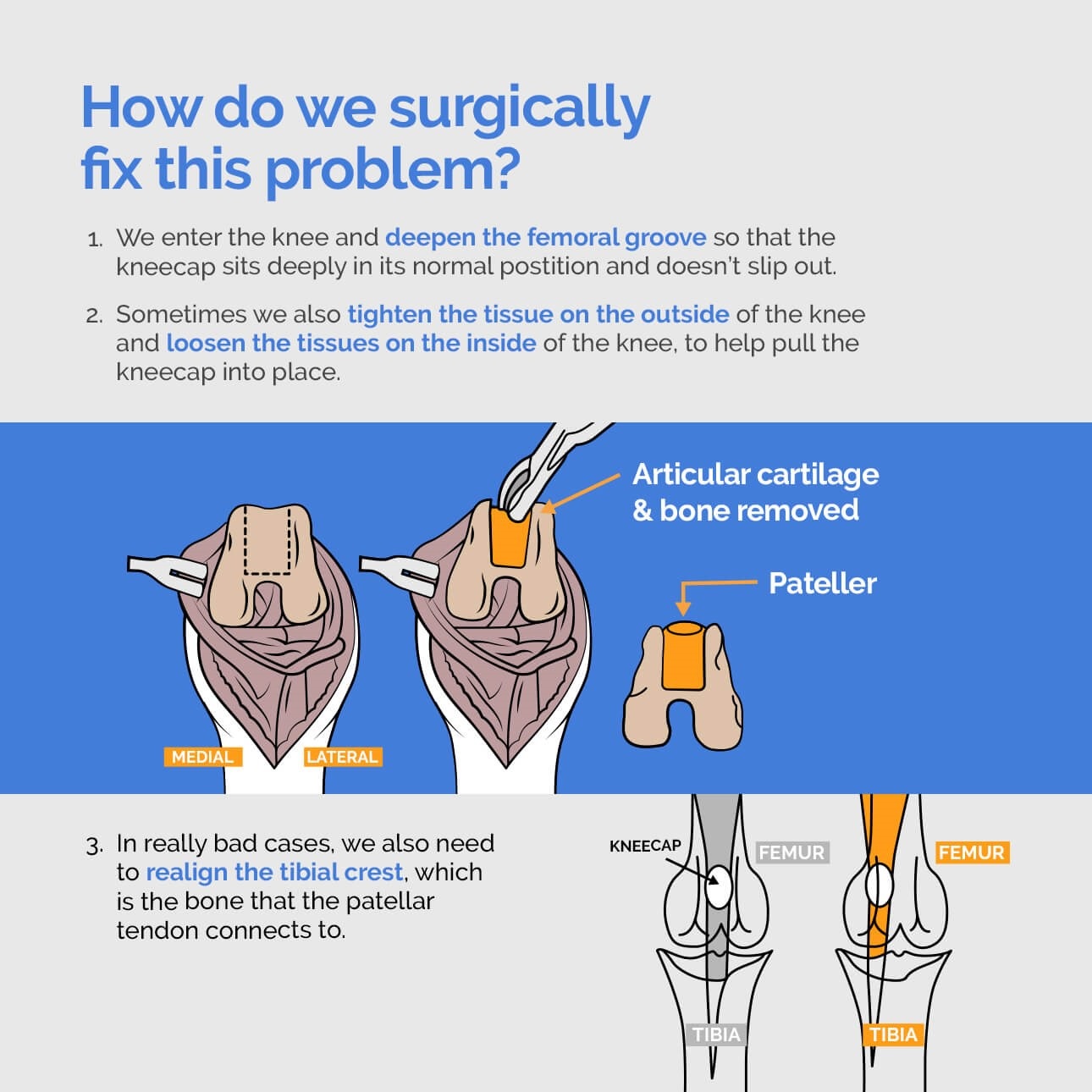
  • Tibial Tuberosity Transposition (TTT): The attachment point of the patellar tendon is moved to a more central position on the tibia, helping to realign the patella.
  • Trochleoplasty: The femoral groove is deepened to better hold the patella in place.
  • Lateral Imbrication: Tightening the tissues on the outside of the knee to prevent the patella from slipping out of place.
  • Medial Release: Loosening tight tissues on the inside of the knee, which may be pulling the patella out of its normal position.
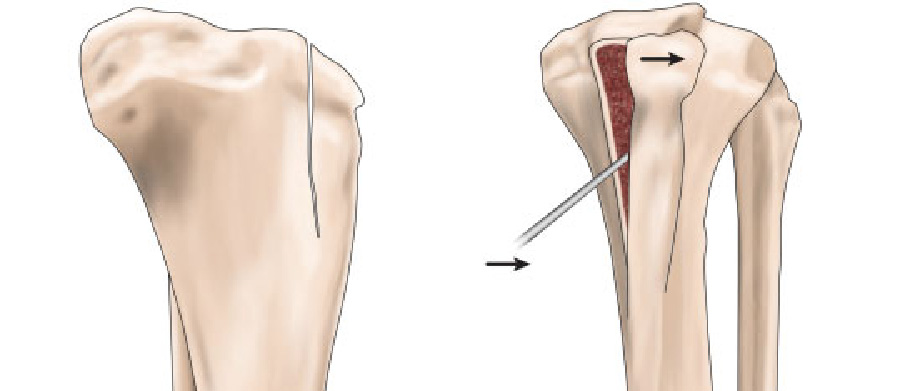
MPL surgery Concept Diagram

Post-Surgical Care

  • Restricted Activity: Strict rest and limited movement are essential during the initial healing period to ensure the surgical repair is successful.
  • Physical Therapy: Post-operative rehabilitation is often recommended to restore strength and flexibility in the knee.
  • Pain Management: Medications to control pain and inflammation during recovery.
  • Follow-Up Visits: Regular veterinary check-ups to monitor healing and ensure proper recovery.

Prognosis

  • Mild Cases (Grades I and II): Dogs with mild patellar luxation often manage well with conservative treatment and may not require surgery.
  • Moderate to Severe Cases (Grades III and IV): Surgery generally has a good success rate, with most dogs returning to normal or near-normal activity levels after recovery.

Prevention

  • Selective Breeding: Avoid breeding dogs with a known history of patellar luxation to reduce the risk in future generations.
  • Maintaining a Healthy Weight: Keeping dogs at an ideal weight reduces stress on the joints and can help prevent or manage patellar luxation.
  • Regular Exercise: Maintaining good muscle tone around the knee can help stabilize the joint.

Patellar luxation is a manageable condition, and with proper care, dogs can lead comfortable, active lives. If you suspect your dog has patellar luxation, consult your veterinarian for an accurate diagnosis and appropriate treatment plan.

Posted on Google Google
Tessa Verde profile picture
Tessa Verde
Google star 1Google star 2Google star 3Google star 4Google star 5Trustindex verifies that the original source of the review is Google.
Very impressed with the Vet & staff Was so important to feel the warmth & empathy towards my ailing cat. Fabulous location for Betty ????
Posted on Google Google
Jessica Doncaster profile picture
Jessica Doncaster
Google star 1Google star 2Google star 3Google star 4Google star 5Trustindex verifies that the original source of the review is Google.
James and the team were amazing when we had to take Lulu in for stitches! Patient, the after care was great. Can recommend them to look after your fur baby.
Posted on Google Google
Kyle Wightman profile picture
Kyle Wightman
Google star 1Google star 2Google star 3Google star 4Google star 5Trustindex verifies that the original source of the review is Google.
As Kew residents, our Lagotto Romagnolo Yoshi has been a patient of Dr James Taylor for some years during his time practicing nearby in Deepdene. Now that James is practising in Brighton, travelling the distance through Melbourne traffic to Brighton to see James on an ongoing basis for Yoshi’s health, is a no brainer for us. James’ attention to Yoshi on 29 May 2024 was as professional and caring as always. He removed two, luckily benign, lumps which had been growing for a while, and also identified a heart murmur. Before operating to remove the lumps, James undertook an echocardiogram on Yoshi to track down the cause of the heart murmur, identifying that he had Myxomatous Mitral Valve Disease. This condition requires ongoing medication to control and improve the condition. Medication was immediately administered and due to Yoshi’s fitness otherwise, we asked James to go ahead and remove the lumps immediately. This was done, Yoshi has fully recovered, and we are delighted once again with James’ care and professionalism. Kyle & Terry
Posted on Google Google
Tim Gibson profile picture
Tim Gibson
Google star 1Google star 2Google star 3Google star 4Google star 5Trustindex verifies that the original source of the review is Google.
Fantastic and caring service from the Brighton Vet team to look after our cat. Amazing follow up service as well to ensure Garfunkel was progressing through his recovery
Posted on Google Google
Kate Hutchinson profile picture
Kate Hutchinson
Google star 1Google star 2Google star 3Google star 4Google star 5Trustindex verifies that the original source of the review is Google.
We are beyond grateful to Dr. James Taylor and the amazing team at Brighton Veterinary Hospital for saving our dog Nala. She needed emergency surgery due to a stomach blockage, and Dr. James stayed back to perform the operation, showing incredible dedication and compassion. The team even texted us to let us know she was doing well overnight and had eaten, which was so reassuring. Throughout Nala’s recovery, Dr. James and the staff checked in on her and patiently answered all of our (sometimes silly) questions, making us feel supported every step of the way. Thanks to their outstanding care, Nala is on the mend, wagging her tail once more, and we couldn’t be happier. If you’re looking for a vet who truly cares, Dr. James at Brighton Veterinary Hospital is the one. Thank you so much for everything!
Posted on Google Google
KT profile picture
KT
Google star 1Google star 2Google star 3Google star 4Google star 5Trustindex verifies that the original source of the review is Google.
Doctor James was very experienced and provided us with a good advice which helped us make a decision of not doing a permanent surgery and instead did a temporary stitching to our puppy who had Entropion. This not only helped us save money , but also gave our puppy a chance to out grown the issue rather than having a permanent surgery.
Posted on Google Google
Chloe profile picture
Chloe
Google star 1Google star 2Google star 3Google star 4Google star 5Trustindex verifies that the original source of the review is Google.
Dr James you took care of Haki at Balwyn for years and we have been trying to find you since we heard you left. My daughter did some detective work and found you I hope you don't mind. We are happy to travel even though it is far.
Posted on Google Google
Nick Holden profile picture
Nick Holden
Google star 1Google star 2Google star 3Google star 4Google star 5Trustindex verifies that the original source of the review is Google.
James and the team did a fantastic job looking after our Cavador, Frankie, when she had to have a canine cruciate ligament surgery (TPLO). The surgery results were excellent and then their advice and care over the 12 weeks of rehab were first class - James was always contactable for quick checkins outside of consults and was very careful with medications owing to Frankie’s allergies. She is now back running flat out, full of energy and happy, Frankie loved going in for her check ups and pulled me through the door every time. A huge thanks from our whole family to the team!!
Posted on Google Google
Claudia Hounslow profile picture
Claudia Hounslow
Google star 1Google star 2Google star 3Google star 4Google star 5Trustindex verifies that the original source of the review is Google.
James is amazing ????
Posted on Google Google
Raymond Capkin profile picture
Raymond Capkin
Google star 1Google star 2Google star 3Google star 4Google star 5Trustindex verifies that the original source of the review is Google.
Took my " Seve" shmoodle today for her final vaccination. The love James has for his clients shines through. Great personal service and am happy to have this clinic as my vet.